We specialize in Strategy, Positioning, Naming, marketing, Branding, Packaging, merch, copywriting, web design, social media and interior design.
Industries we love to work in are food/bev, cpg, dtc, music/record label, beauty/wellness, cannabis, pets and more!
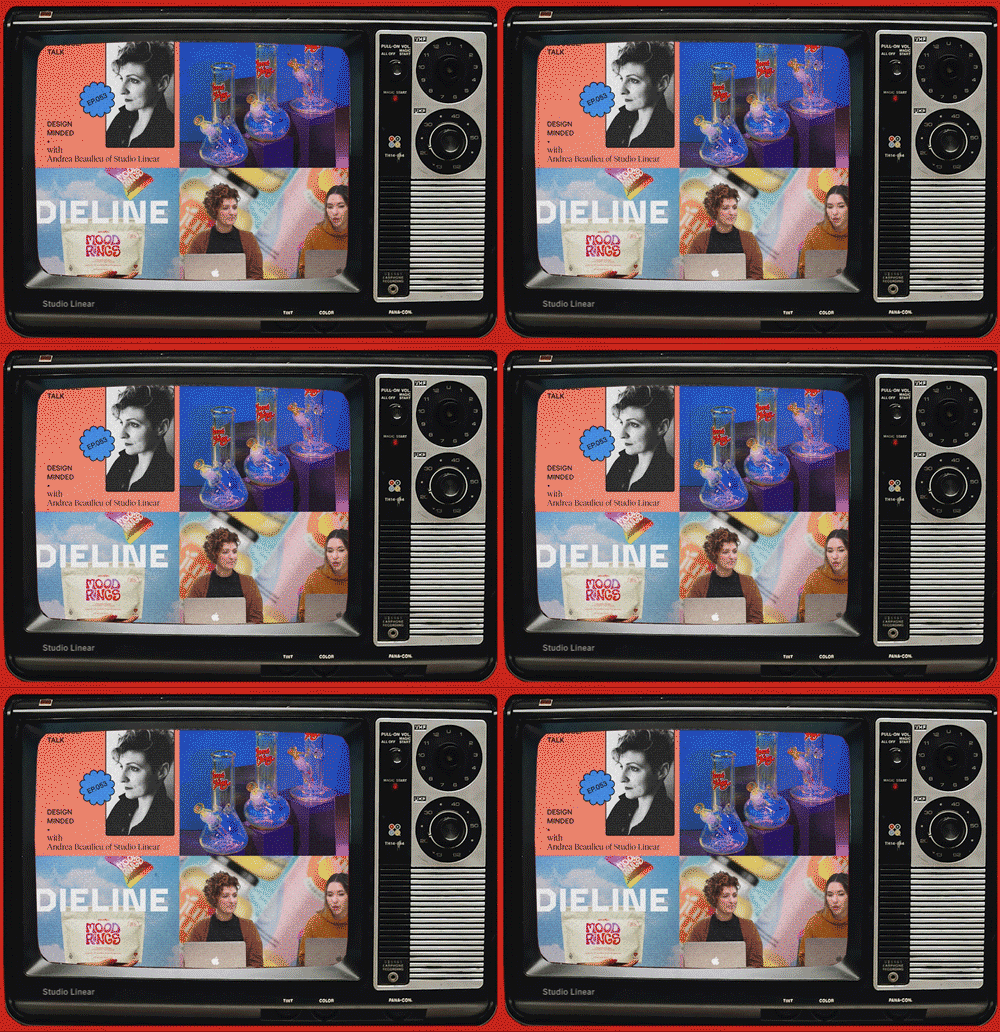
4/20 Dieline Feature
From Baggy to Boutique: The Decade That Transformed Cannabis Branding
Legal cannabis, in one form or another, has been accessible throughout most of the United States for some time now. California was the first state to approve medical marijuana in 1996. Colorado and Washington state legalized recreational cannabis in 2012, quickly followed by several states throughout the 2010s, with the federal government ushering in legal hemp-based products with the 2018 farm bill. Currently, 24 states have legalized cannabis for recreational use; 40 states now have medical marijuana.
Cannabis has been legal-ish for long enough that younger consumers don’t remember a time when weed was still the kind of thing that was purchased like an illicit drug. Nowadays, legal cannabis highs can even be purchased online and at big retailers like Target.
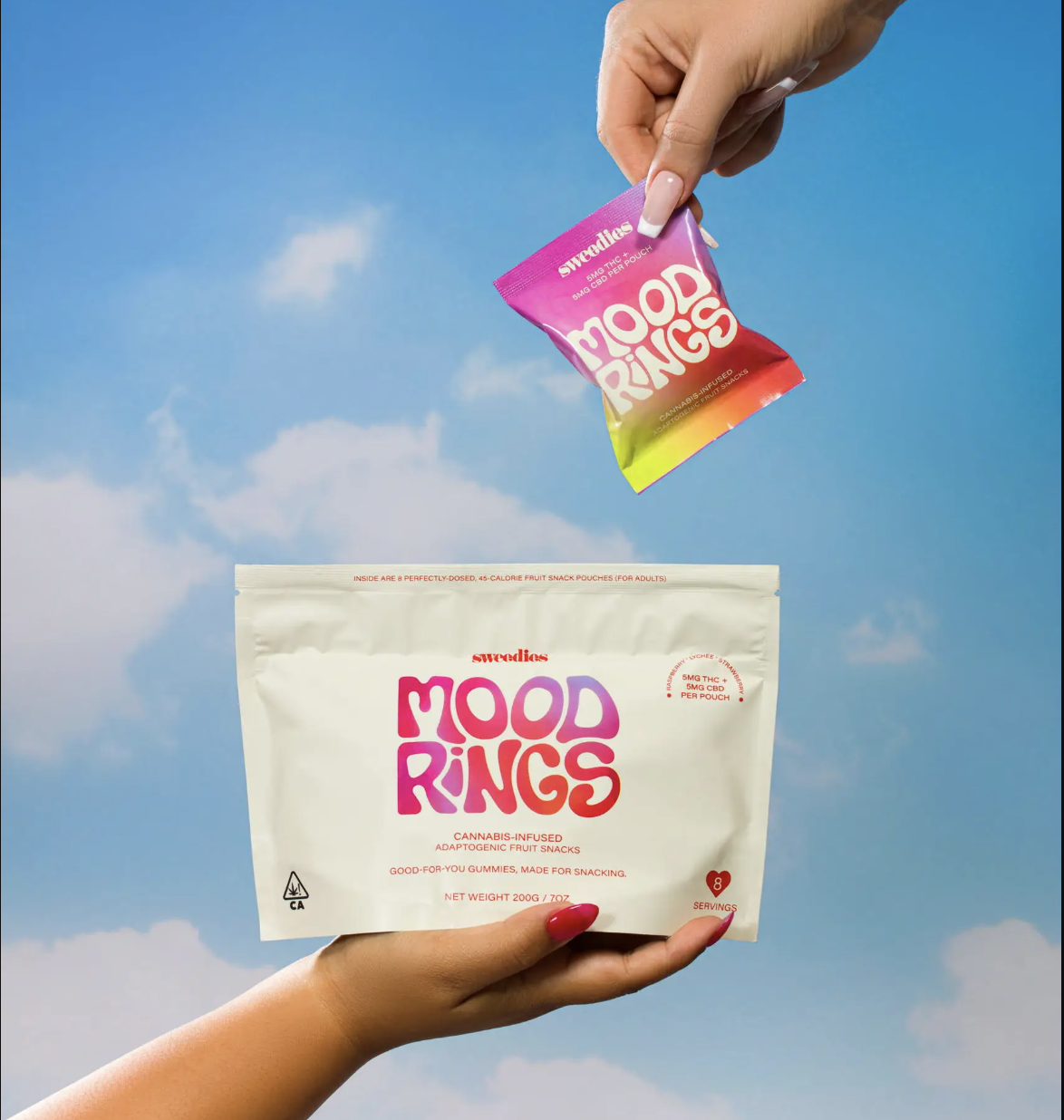
As laws around cannabis access have changed, so has society’s acceptance of consumption, and by extension, branding. Legitimization of cannabis products has brought about the need for branding akin to most other packaged goods.
According to Andrea Beaulieu, founder and creative director at Studio Linear, branding, unlike other CPG categories, wasn’t as much of a concern a decade ago.
“I think, ten years ago, if you had great weed, that was the brand. There wasn’t a heavy push on the branding,” says Beaulieu. “It was a friend of the family who might have thrown together a quick logo. It was very specific. And what we were seeing with that Woodstock 60s vibe was more of a Cheech and Chong look. So it wasn’t so much branding as it was conveying a vibe. And I feel like back then, if you were in the market and you had a decent product that sold itself, more than branding back then.”
“Now, obviously it’s very different. We’re looking at brands like House Plant, and Edie Parker, some of the brands I really love, become more of like a lifestyle brand,” Andrea says. “It’s not just about the corner store or dispensary, it is much more than that. There’s a real strategy in place. They’re asking who their consumer is, what they care about, and how they feel. The creative then follows those important questions.”
“It went from being very basic to a much more polished, intentional lifestyle, I think, than just branding,” she adds.
So, where is cannabis going from here?
“It’s hard to say, but I think, as we see with other industries, there will be brands that will not necessarily take over, but take a position like Nike did in athletics, we will see those larger brands make headway. But then there’s room for brands to rethink form factor,” says Andrea. “As consumers are getting a bit more interested in something different, cannabis brands will be reinventing the same old that we see on the shelf, and beyond what we currently have out there. We have a lot of amazing clients who are rethinking what the experience looks like, how that takes itself into dispensaries, etc. Beyond lifestyle to the immersive experience. I feel like there’s a shift from digital branding to the space itself telling the whole story, the whole architecture of a brand.”
.png)
.png)
.svg)









.svg)