We specialize in Strategy, Positioning, Naming, marketing, Branding, Packaging, merch, copywriting, web design, social media and interior design.
Industries we love to work in are food/bev, cpg, dtc, music/record label, beauty/wellness, cannabis, pets and more!
AB 2249: What California Cannabis Brands Actually Need to Know
AB 2249: What California Cannabis Brands Actually Need to Know
California just tightened its cannabis packaging rules. The first question every brand owner is going to ask is whether that means starting over. It doesn't, but it does mean paying attention now instead of later.
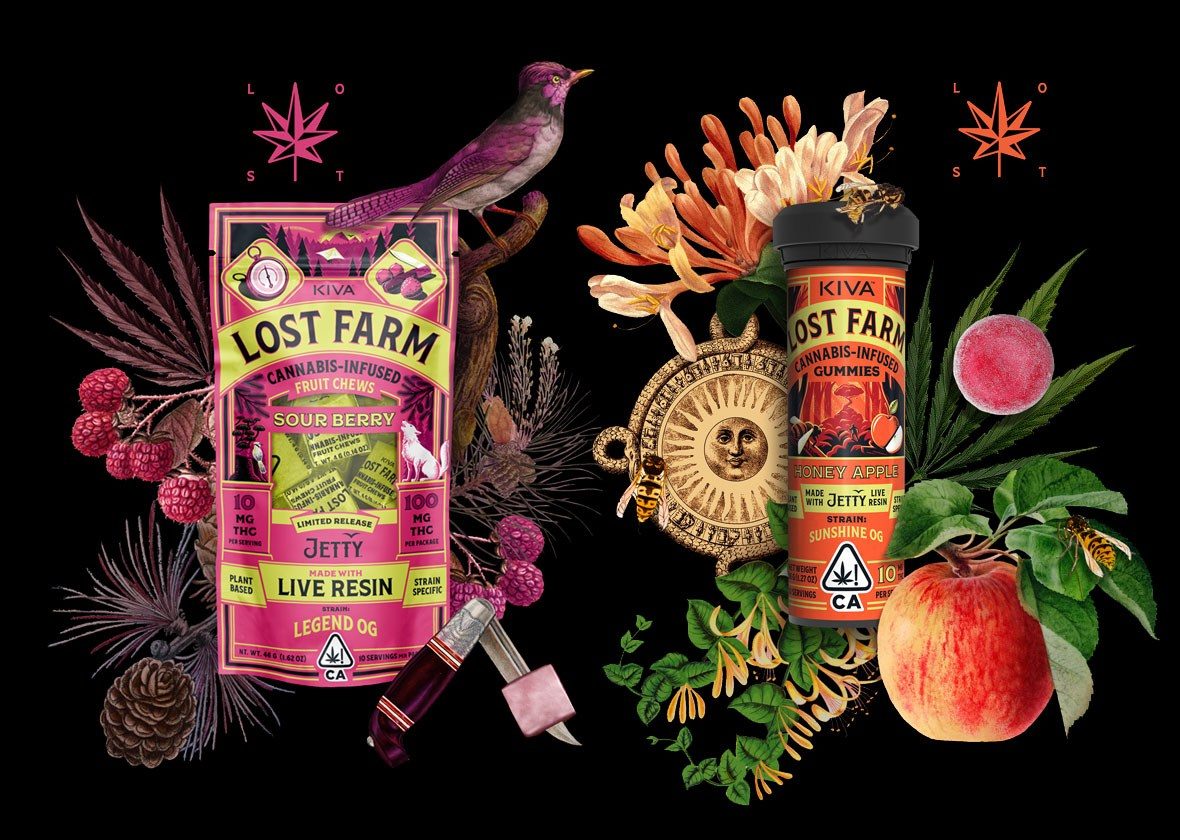
California has restricted kid-appealing cannabis packaging for a while. AB 2249 doesn't introduce that idea, it just gets a lot more specific about what counts. Starting January 1, 2028, the law calls out things like cartoons, mascots, candy or cereal imagery, bubble lettering, packaging that mimics kids' products, and certain fruit illustrations on edibles and vapes.
So the real question for a brand isn't "do we need a new identity." It's which parts of what you already have could create risk, and how you hold onto brand equity while you adjust.
Where the real challenge sits
Honestly, the hardest part is figuring out what actually needs to change. Using color, illustration, personality or fruit imagery doesn't automatically make a brand non-compliant. The law is specific about how those elements show up, not whether they exist at all.
The things worth scrutinizing:
Mascots and characters
Anthropomorphic illustration
Cartoon-style artwork
Candy, cereal or dessert references
Bubble and balloon type
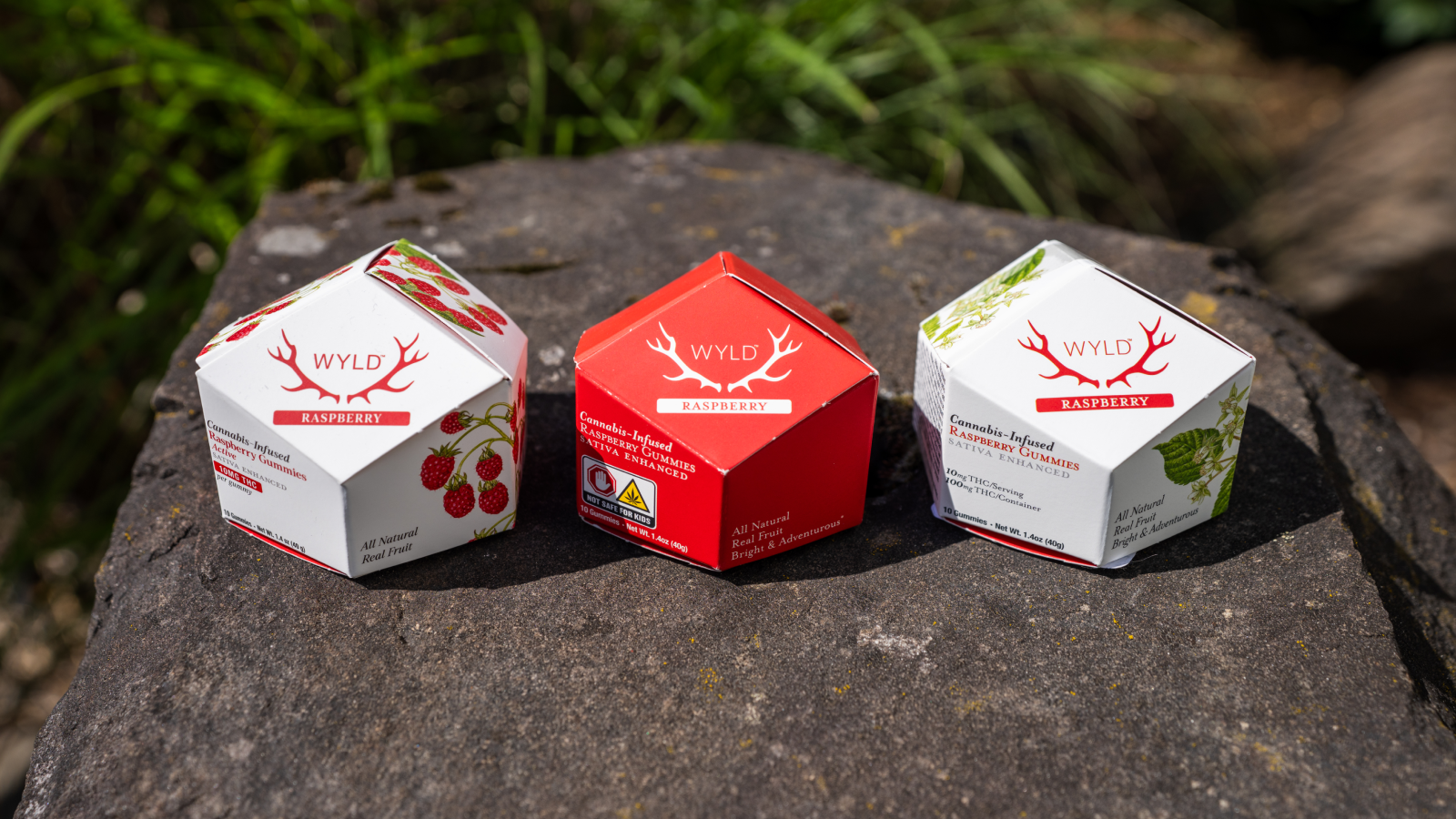
Fruit illustrations on edible and vape packaging
Product names and flavor language
Anything that resembles a kids' food or consumer product
Individual SKUs that have drifted visually from the master brand
This isn't theoretical, either. California's State Auditor reviewed 40 cannabis products and found 23 of them likely to appeal to children, and also found the state's existing rules weren't clear enough to catch that consistently. AB 2249 is the state's attempt to close that gap.
How this compares to other states
California isn't breaking new ground here. Maine, Oregon, Washington and Massachusetts have all had youth-oriented packaging restrictions for years. The State Auditor actually pointed to Oregon's system as a model, specifically the option for licensees to use pre-approved packaging or get a compliance review before going to market.
So this is less "California invents something new" and more "California catches up to where other mature cannabis markets already are."
Is there enough time?
Technically yes. Strategically, don't sit on it.
The definition becomes operative January 1, 2028, and there's a window allowing packaging made under the old rules before January 1, 2027 to still sell through until 2028. But packaging redesigns don't run on a clean one day to the next timeline. Between compliance review, strategy, creative, artwork, regulatory review, client sign off, printing and production, brands are often ordering packaging months ahead of when it hits shelves.
2028 isn't the date to start redesigning. It's the date your packaging needs to already be compliant. Which means the audit needs to happen now.
What we'd change about it
This is where we think there's room to push for something better than what's on the table.
We'd push for more objective guidance and a predictable review process. The State Auditor already recommended something like Oregon's model, where businesses can get packaging reviewed before it reaches the market. AB 2249 does require the DCC to build out compliance resources, including educational materials and possibly automated tools, but the law is explicit that an automated result isn't a final determination.
For a brand about to sink tens or hundreds of thousands of dollars into packaging inventory, that distinction matters a lot. You need to know what's actually compliant before you print it.
Where this leads back to us
Your brand probably doesn't need to start from zero. AB 2249 doesn't mean throwing away years of brand equity. It means figuring out which elements create exposure and which ones can stay exactly as they are.
At Studio Linear, we treat cannabis packaging as both a brand system and a regulated product. That means identifying what makes a brand recognizable, then finding a way to evolve the pieces that need to change without losing what made it work in the first place.
.png)
.png)
.svg)









.svg)